Understanding the Vaping Landscape in Australia: Context for Consumers

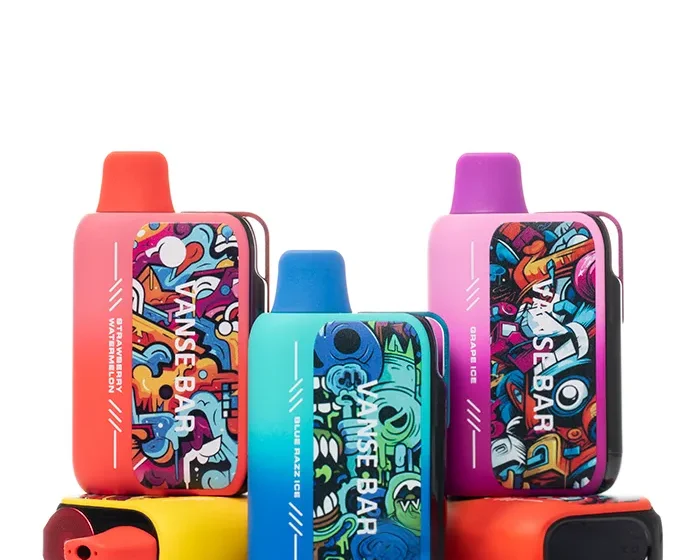
In recent years, the vaping market in Australia has grown significantly. What began as a niche alternative to traditional smoking has expanded into a wide range of devices and e-liquids. Within this evolving landscape, terms like alibarbar may appear in online searches or community discussions as consumers explore different brands, flavors, and information sources. But to make informed decisions, it’s essential to understand the broader context of vaping — especially the legal and health considerations unique to Australia.
Legal and Regulatory Framework
Australia has some of the strictest nicotine and vaping regulations in the world. Unlike many countries where nicotine e-liquids and vaping products are sold over the counter, nicotine-containing e-liquids are classified as prescription-only medicines in Australia. This means that legally supplying or selling these products without appropriate approvals is not permitted. Consumers interested in using nicotine vapes must consult a healthcare professional to obtain a prescription, after which they can import nicotine e-liquid for personal therapeutic use. Non-nicotine vaping products are less restricted but are still subject to state and territory rules governing sale to minors and advertising.
This legal backdrop heavily influences how businesses operate and how consumers research vaping options. Searches including niche or brand terms like “alibarbar” reflect the curiosity of users navigating this complex environment.
How Consumers Research Vaping Options
Given the regulatory framework, most Australians who explore vaping start with educational research rather than shopping. Reliable information sources — such as health department websites, scientific studies, and community forums — help individuals understand:
- Differences between devices (e.g., pod systems, mods, and disposables)
- The role of nicotine and why it’s regulated
- Potential health impacts, both short- and long-term
- How to legally obtain nicotine e-liquid if appropriate
The keyword alibarbar might show up in blogs, social media, or community threads where users compare terminology or share experiences. Critical thinking and verification from trusted sources are crucial, as online chatter can include slang, unverified claims, or promotional language.
Health Considerations
Public health authorities in Australia emphasize that although vaping may be less harmful than smoking combustible tobacco, it is not without risk. Nicotine is addictive, and other chemicals in vaping aerosols may have respiratory or cardiovascular effects. For people who do not smoke, health organizations generally advise against starting vaping. For current smokers, transitioning to approved smoking cessation methods remains the medically recommended path.
How to Navigate the Market Responsibly
If you’re researching vaping for yourself or others, consider these steps:
- Check legal requirements: Understand federal and state laws around nicotine and vaping products.
- Consult healthcare professionals: Especially if considering nicotine for smoking cessation.
- Prioritize reputable information: Use government or peer-reviewed sources.
- Avoid impulse purchases: Especially based on online terms like alibarbar, which might be trendy but lack context.
Conclusion
The Australian vaping market is defined by strict regulation, evolving public health research, and active consumer interest. While the term alibarbar and similar keywords may crop up in online discussions, the priority for anyone exploring vaping should be understanding the legal obligations and health considerations that accompany these products. By staying informed and consulting professionals, individuals can navigate this landscape more safely.